
Research
research
Advanced interdisciplinary bioscience
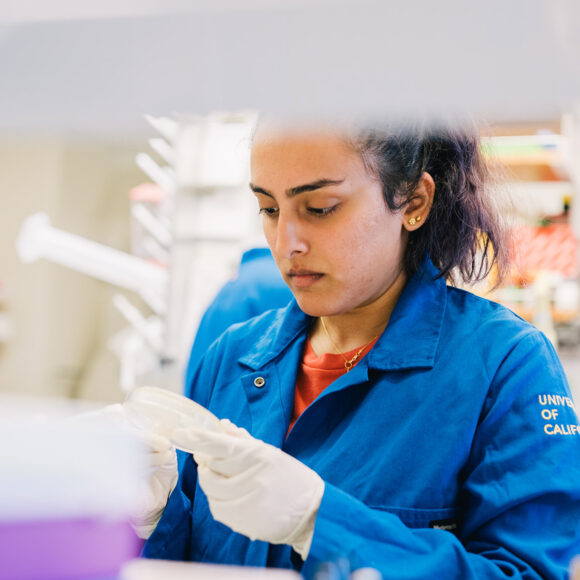
Overview
QB3 is one of four California Institutes for Science and Innovation founded by Governor Gray Davis in the University of California system. QB3 comprises three academic units, at Berkeley, San Francisco, and Santa Cruz, and the central office, which supports entrepreneurship and coordinates research collaborations between the campus groups. The central office is located on the lead campus, which is currently UC Berkeley.
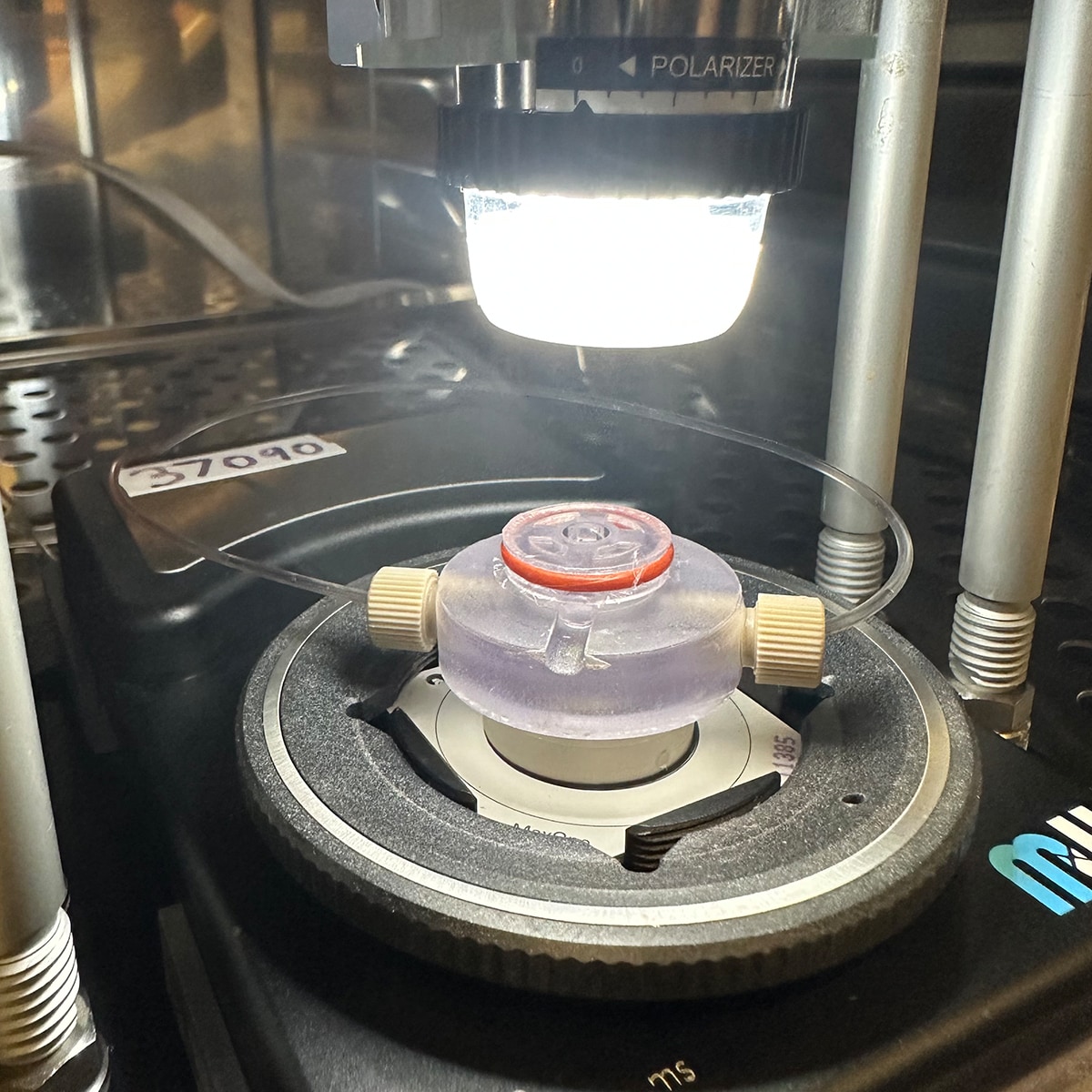
Collaborative Research
QB3 unites researchers across UC Berkeley, UC Santa Cruz and UCSF. Each campus has unique strengths. The QB3 collaborative unit leverages strengths and resources to understand biological systems and to stimulate discovery of new therapies. Spearheaded by Lise Barbé, leads conceptualization, connects research groups that share a common interest in a particular disease area or biomedical tool, and fundraises for their groundbreaking ideas.
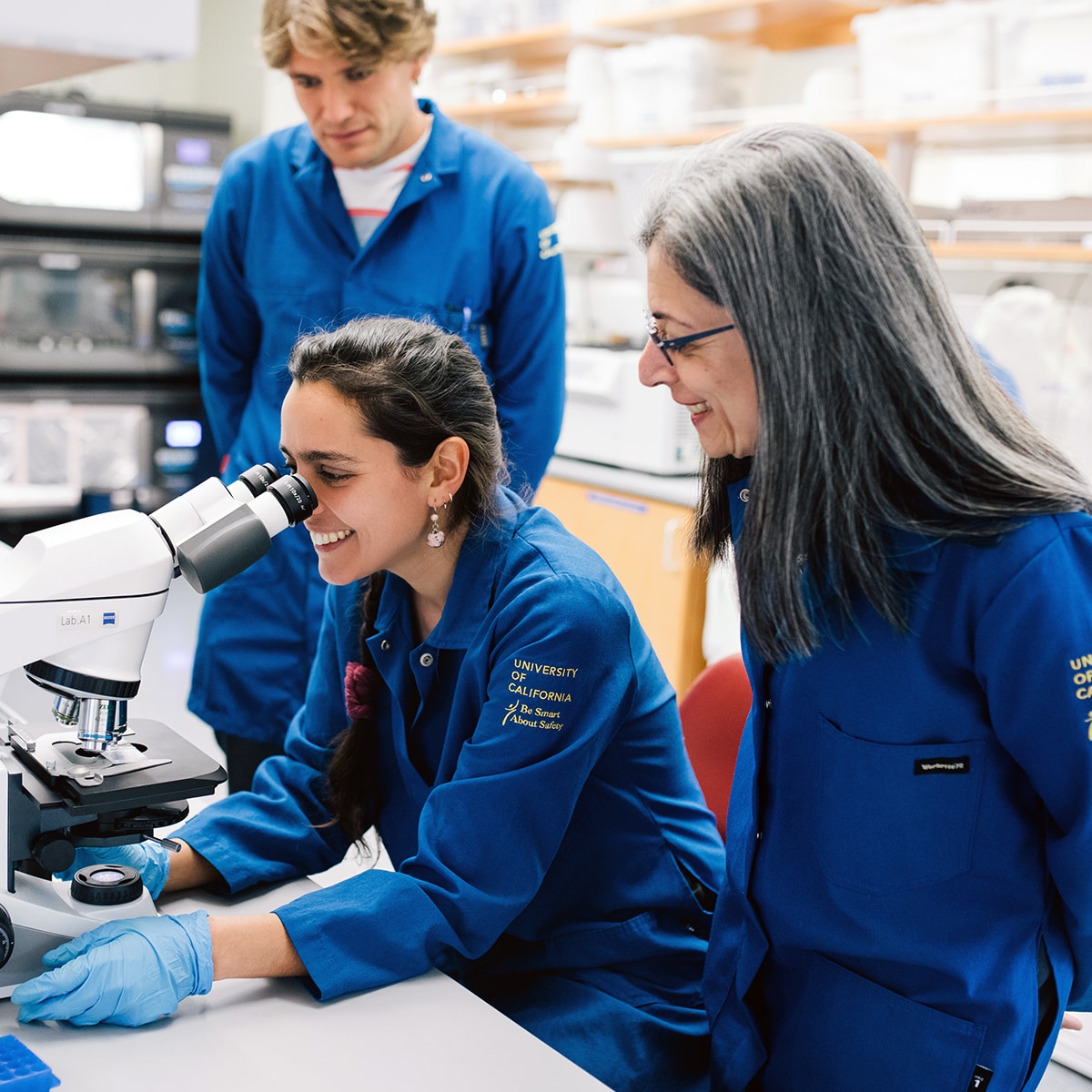
QB3-Berkeley
QB3 at Berkeley fosters interdisciplinary collaboration, spurring significant research progress. Graduate education equips students to integrate diverse disciplines in their research, while programs for undergraduates and K-12 students promote exploration of technical fields. QB3-Berkeley facilitates research partnerships, identifying collaboration opportunities, developing technologies, and aiding with IP and technology transfer. These partnerships, spanning academia, industry, and government, accelerate knowledge and technology exchange, driving innovation and economic growth in California.
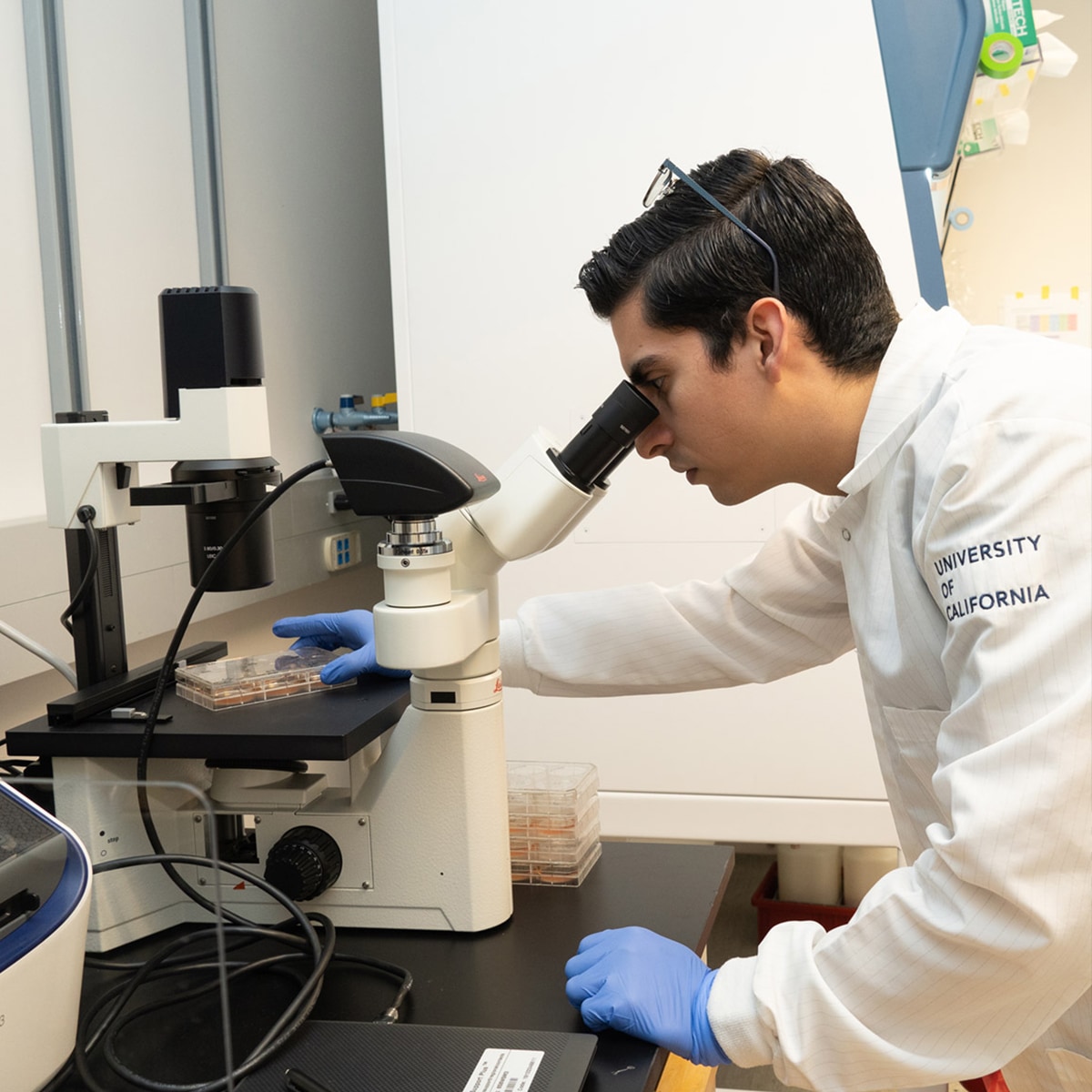
QBI at UCSF
At UCSF, QB3 forms part of the Quantitative Biosciences Institute (QBI), led by Nevan Krogan. QBI fosters interdisciplinary collaborations across the biomedical and physical sciences, applying quantitative methods to address pressing problems in biomedicine. Motivated by human disease, QBI delves into fundamental biological mechanisms, recognizing the role of basic science in uncovering therapies. QBI is remarkable for its large-scale international collaborations, particularly the QBI Coronavirus Research Group.
QB3-Santa Cruz
At Santa Cruz, QB3, led by Ed Green, focuses on paleogenomics and forensic genomics. It funds research, equipment, and core facilities to develop health-improving technologies, environmental protection measures, and energy efficiencies. QB3 supports intellectual property creation, fosters student development, facilitates collaboration within UCSC and with other QB3 campuses, sponsors relevant educational and research programs, and promotes interaction with California industries.