
Events
QB3 Webinar: Jesse Hanson, Genentech. “Targeting innate immunity in Alzheimer’s Disease”
Neuroinflammation including microglia activation occurs in numerous neurodegenerative conditions including Alzheimer’s disease (AD). While microglia activation may facilitate beneficial functions, such as clearance of amyloid plaques in the early stages of disease, chronic microglia activation could contribute to disease progression via cytokine release, activation of astrocytes and other harmful functions. One therapeutic approach is to target microglial activation state itself. An example of this is inhibition of the kinase TPL2, which is a central regulator of microglial mediated inflammation. In a mouse model of tauopathy we found that TPL2 kinase activity regulates microglial activation state, and contributes to synapse loss, peripheral immune cell recruitment, and brain volume loss. Other approaches to targeting harmful effects of glial activation focus on selectively inhibiting detrimental effects of glial activation without altering activation state. One example of this is targeting the complement classical pathway. Human genetics and AD patient CNS biomarkers indicate increased expression and activation of the complement classical pathway in AD. Studies using C1q or C3 knockout in mouse models of tauopathy and amyloidosis demonstrate a role for the complement classical pathway in driving synapse loss and neurodegeneration. Studies using antisense oligonucleotides targeting classical pathway components C1r, C1s, or C4 demonstrate the potential to rescue synapses loss via therapeutic inhibition of the classical pathway.
Register for the Livestream
About the Speaker
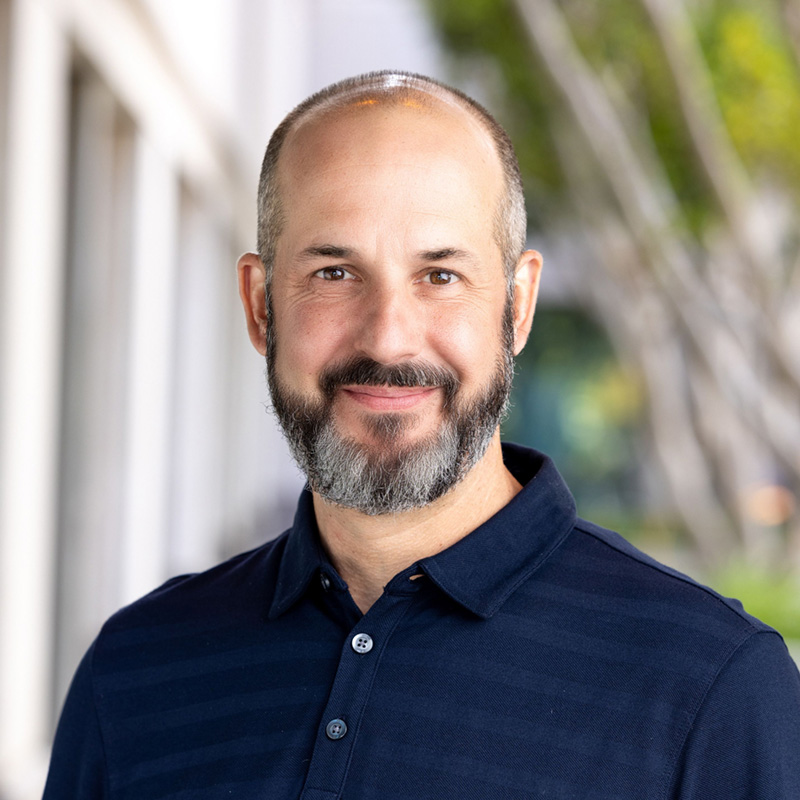
At Genentech I contribute to strategy and lead research efforts validating and pursuing targets for CNS disease. The current focus of our group is neurodegenerative diseases including Alzheimer’s, Parkinson’s, ALS, and multiple sclerosis. Past projects have also included psychiatric disease, stroke and epilepsy. In addition to running a lab that discovers and validates new targets, I contribute to the drug discovery and development pipeline including:
- Leading cross-functional teams pursuing development of small molecule, antibody, and nucleic acid-based therapeutics. This spans initiating lead identification stage projects and progressing projects through lead optimization and early development. Multiple projects I have initiated and led have progressed into the clinic.
- Initiating and leading collaborations with external academic and industry teams to identify new targets and pursue drug discovery.
- Performing diligence and pursuing partnering opportunities with preclinical and clinical stage programs from biotech and pharma companies.
In addition to drug discovery efforts, I have contributed to the broader scientific community, including:
- Sharing scientific findings through extensive publications in top peer-reviewed journals. Areas of expertise include synaptic biology and circuit function as well as interactions of the immune and nervous systems.
- Frequent ad hoc reviewing for journals and funding agencies.
- Mentoring students and postdocs (both at Genentech and externally).


